

If you spend any time talking to vape retailers, distributors, or end users, one question comes up again and again: Should I go with a refillable pod system, or is a traditional tank still the better choice?
It sounds simple, but the answer usually depends on how the device will actually be used—not just specs on paper.
In this article, we’ll break down the real differences between refillable pod systems and tanks in plain language. No hype, no lab-style wording. We’ll also show how شريط فولف has designed its product lineup to fit these different use cases, especially for brands and distributors who care about consistency, scale, and sell-through.

Why Do Many Users Compare Refillable Pod Systems With Tanks?
Before jumping into features and numbers, it helps to understand why these two formats are always compared in the first place. On the surface, they both do the same job. But in real-world use, they often serve very different people.
Different Usage Scenarios and User Habits
Most comparisons start at the counter, not online. A customer walks into a vape shop and asks for something “easy but still strong,” or “something that feels like a tank, but without all the mess.” That’s where refillable pod systems and tanks start crossing paths.
Pod systems are often picked for daily, no-drama use. Tanks, on the other hand, tend to attract users who enjoy tweaking settings or chasing a specific vape style. Neither is wrong—it’s about habits, not hierarchy.
Changing Preferences in the Global Vape Market
Across many markets, there’s been a clear shift toward simpler devices. New users don’t want a learning curve. Even experienced users sometimes just want something that works every time, especially when vaping becomes part of a routine instead of a hobby.
That’s one reason refillable pod systems have gained ground so quickly. They lower the entry barrier without stripping away the core experience people care about: flavor, consistency, and satisfaction.
How Product Design Shapes the Experience
Design choices matter more than most people think. Airflow layout, coil integration, refill methods—all of these shape how forgiving a device is in daily use. This design gap is where pod systems and tanks really start to feel different, and it sets the stage for a deeper comparison.
What Is the Real Difference Between a Refillable Pod System and a Tank?
Now let’s get specific. The real differences show up in structure, upkeep, and how the vape actually feels day to day.
Device Structure and Complexity
Refillable pod systems are built as integrated units. Pods, coils, and airflow are designed to work together with fewer parts exposed to user error. You fill, snap it in, and vape.
Tanks are more modular. That’s great for control, but it also means more decisions—coil choice, wattage range, airflow tuning. For some users, that’s part of the fun. For others, it’s friction.
From a B2B angle, simpler structure usually means fewer returns and fewer “user mistake” complaints.
Ease of Use and Daily Maintenance
This is where pod systems quietly win over a lot of people. Less leaking, quicker refills, and faster coil changes make a difference over time. You don’t notice it on day one, but after a few weeks, convenience starts to matter.
Tanks demand more attention. Cleaning, checking seals, dialing settings back in—it’s not hard, but it’s not hands-off either. For heavy users who enjoy control, that’s fine. For casual or retail-driven buyers, it can be a deal-breaker.
Vapor Style and Nicotine Preferences
Traditionally, pods leaned toward tighter draws, while tanks dominated the direct-lung space. That line has blurred.
Many modern pod systems now support looser airflow and stronger output, covering a wide range of preferences. Tanks still shine when maximum vapor production is the goal, but for most users, the gap is much smaller than it used to be.
Which Option Makes More Sense for Different Types of Users?
Once you look past labels, the choice becomes more practical than technical.
Beginners and Convenience-Focused Users
For beginners, refillable pod systems are usually the safer starting point. There’s less to mess up and fewer things to explain. That’s why retailers often recommend them first—they convert better and come back less often with issues.
Even experienced users sometimes fall into this group. Not everyone wants to think about airflow ratios before their first coffee.
Experienced Users Who Want More Control
Tanks still have a loyal audience, and for good reason. If someone enjoys dialing in a specific vape feel or switching styles often, tanks offer that flexibility.
That said, many experienced users now keep a pod system as a daily carry, even if they still own tanks. Convenience doesn’t replace control—it just complements it.
Distributors Balancing Variety and Simplicity
For distributors and brand partners, the decision isn’t just about performance. It’s about education, shelf space, and repeat orders. Refillable pod systems are easier to explain, easier to standardize, and easier to scale across regions.
How Volf Bar Products Fit Into These Use Cases
This is where theory meets real products. Volf Bar’s lineup is built around actual usage patterns, not just spec sheets.
Crystal 35K for Long-Lasting, Low-Hassle Use
ال Crystal 35K is designed for users who value endurance and consistency above all else. With ultra-high puff capacity and stable output, it suits markets where long device life and minimal upkeep matter.
For distributors, this kind of product often translates into strong repeat demand and fewer after-sales questions. It’s straightforward, reliable, and easy to position.
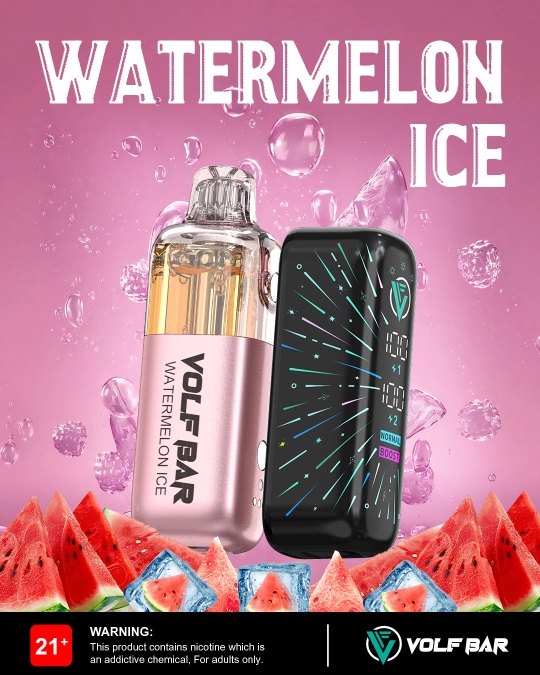
VB DTL 15000 for Users Who Prefer Tank-Style Airflow
Some users like the openness of a tank draw but don’t want the maintenance that comes with it. The VB DTL 15000 fills that gap.
It delivers a more open, direct-lung experience while keeping the structure and simplicity of a pod-based design. For users transitioning from tanks—or for shops serving mixed preferences—it’s an easy recommendation.
VB 20000 و VB 15000 for Everyday Retail Scenarios
These models sit right in the middle of the market. They’re flexible enough to suit a wide range of users, making them ideal for convenience stores, vape chains, and regional distributors.
Flavor consistency, stable performance, and approachable design make them dependable sellers rather than niche items.
Why Many Buyers Choose Refillable Pod Systems Over Tanks Today
The trend toward refillable pod systems isn’t about hype. It’s about how people actually vape in 2024 and beyond.
Faster Adoption and Fewer Returns
Devices that are easier to use tend to stick. Retailers notice this quickly. Fewer mistakes mean fewer returns, and fewer returns mean healthier margins.
Lower Learning Curve Across Markets
Not every market has the same vape culture or experience level. Pod systems travel better across regions because they don’t rely on deep product knowledge. That’s a big advantage for international brands.
Easier Product Education for Sales Teams
When a product is easy to explain, it’s easier to sell. That matters for scaling a brand. Volf Bar’s focus on clarity and consistency helps partners spend less time training and more time moving product.
FAQ
Q1: Are refillable pod systems replacing tanks completely?
A: Not really. Tanks still have their place, especially for hobbyist users. But refillable pod systems are becoming the default choice for everyday vaping and retail-focused markets.
Q2: Can refillable pod systems deliver a strong, direct-lung experience?
A: Yes. Models like the VB DTL 15000 are built specifically to offer a more open draw while keeping pod-level convenience.
Q3: Which option is better for distributors entering new markets?
A: In most cases, refillable pod systems are easier to launch and scale. They’re simpler to explain, easier to support, and generally better received by a wider audience.